"Reverse Migration with Global Collaboration "
Jointly organized by NRNA & MIHS in collobaration with Ministry of Health and Food Safety , Madhesh Province Nepal , University of Huddersfield
2026-12-04 - 2026-12-05
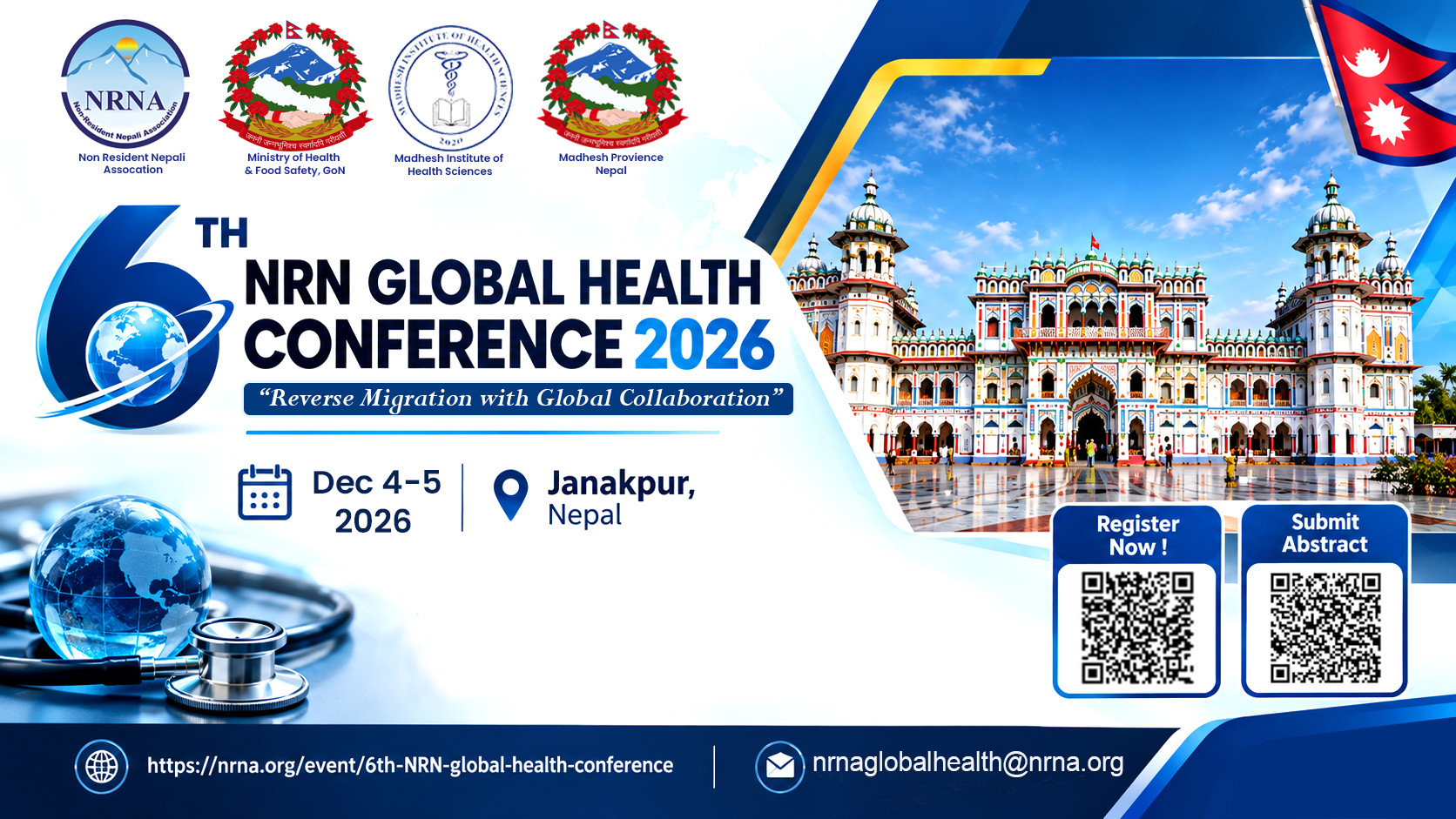
The Sixth NRN Global Health Conference 2026 will be held in the historic city of Janakpur, Madhesh Province, Nepal, on 4–5 December 2026. The conference is an international platform for government leaders, health professionals, academics, researchers, international organisations, development partners, private-sector organisations and members of the Nepali diaspora.
The theme, “Reverse Migration with Global Collaboration”, reflects an important opportunity for Nepal. The movement of health professionals across borders should not be viewed only as a loss of human resources. With appropriate policies, partnerships and opportunities, migration can become a mechanism for knowledge transfer, capacity building, innovation, investment and health-system strengthening.
Nepal has a large and highly skilled global health diaspora. Nepalese doctors, nurses, dentists, pharmacists, public-health specialists, researchers and other health professionals make significant contributions internationally. The conference aims to connect this expertise with the needs and priorities of Nepal.
Janakpur provides an important setting for this conversation. As the capital of Madhesh Province and an important cultural and educational centre, it provides an opportunity to take global health collaboration beyond Kathmandu and strengthen connections with provincial and local health systems.
Anticipated legacy
A major anticipated outcome is the “Janakpur Declaration on Reverse Migration and Global Health Collaboration 2026”, intended to provide a framework for future collaboration among governments, universities, healthcare institutions, development partners and the global Nepali health community. The conference also aims to establish a Janakpur Global Health Network to facilitate continuing partnerships in research, education, specialist exchange, digital health, mentorship, healthcare innovation and health-system strengthening.
Message from the Chairs
It gives us great pleasure to welcome you to the Sixth NRN Global Health Conference 2026, which will be held in the historic city of Janakpur, Madhesh Province, Nepal, on 4–5 December 2026.
This year’s theme, “Reverse Migration with Global Collaboration”, reflects an important opportunity for Nepal. The movement of healthcare professionals across borders should not be viewed only as a loss of human resources. With the right policies, partnerships and opportunities, migration can become a powerful mechanism for knowledge transfer, capacity building, innovation, investment and health-system strengthening.
The conference will bring together government leaders, health professionals, academics, researchers, international organisations, development partners, private-sector organisations and members of the Nepali diaspora. We will discuss practical approaches to reverse migration, international training, research collaboration, digital health, healthcare investment, innovation and strengthening health services, particularly in underserved communities.
Importantly, this conference should not end with two days of discussion. We hope to develop long-term partnerships and measurable commitments, including visiting faculty programmes, specialist training, research collaborations, hospital and university partnerships, mentorship programmes, digital-health initiatives and opportunities for diaspora investment.
We warmly invite colleagues from Nepal and around the world to join us in Janakpur. Let us move from brain drain to brain circulation, and from brain circulation to brain gain, creating a model of global collaboration that can contribute to a stronger, more equitable and sustainable health system for Nepal.
Prof. Dr. Sunil Sah
Chair, Conference Organising Committee
Prof. Dr. Padam Simkhada
Chair, Scientific Committee
Prof. Dr. Ankur Shah
Chair, Local Organising Committee; Vice-Chancellor, Madhesh Institute of Health Sciences
Researchers, practitioners, policymakers, students, diaspora professionals and institutional partners are invited to contribute work relevant to the conference theme. Submissions should demonstrate relevance to global health, Nepal’s health priorities, diaspora engagement, health-system strengthening or international collaboration.
|
Abstract Word limit |
300 words |
|
Submission Deadline |
15 November 2026 |
|
Decision Date |
20 November 2026 |
|
Presentation formats |
[oral / poster / panel / workshop, as approved] |
|
Submission Method |
By Email |
|
Contact |
abstract.health@nrna.org |
All submissions will be considered through the conference’s approved scientific review process. Detailed assessment criteria, decision arrangements and presenter guidance should be added after approval by the Scientific Committee.
Suggested abstract fields






















For enquiries about attendance, abstracts, speakers, partnership, sponsorship or media, Please contact the Conference Secretariat.
|
Conference Secretariat |
Sixth NRN Global Health Conference 2026 |
|
Location |
Janakpur, Madhesh Province, Nepal |
|
|
info@nrna.org |
|
Telephone |
014511530, +977-9840465253 |
|
Registration Enquiries |
nrnaglobalhealth@nrna.org |
|
Media Enquiries |
contact@nrna.org |
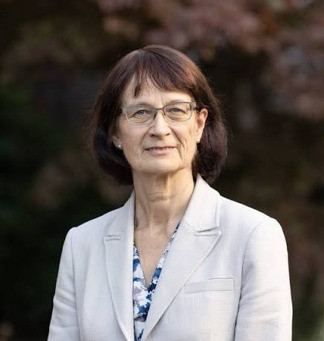
Prof. Dame Jenny Harries
Current role and institution: Chancellor, University of Chester; former Chief Executive, UK Health Security Agency (UKHSA)
Professor Dame Jenny Harries is one of the United Kingdom’s most recognised public health leaders. A medically trained public health physician, she served as Deputy Chief Medical Officer for England before becoming the founding Chief Executive of the UK Health Security Agency (UKHSA), where she led national and international responses to infectious disease threats, pandemic preparedness, health security, vaccination programmes and climate-related health challenges. Her career has included leadership roles across government, the NHS and international public health initiatives. She has extensive experience in health protection, evidence-informed policymaking and emergency preparedness, making her a highly respected voice in global health and population wellbeing.

Prof Eunice Simmons
Professor Eunice Simmons is Vice Chancellor and Chief Executive of the University of Chester in the northwest of the UK. She has broad sector experience having previously worked at five diverse institutions: the University of London’s Wye and Imperial Colleges, UCLan Lancashire as head of the National School of Forestry, the University of Cumbria and Nottingham Trent University where she was Deputy Vice Chancellor.
An environmentalist by academic background, Prof Simmons has degrees in biology, soil conservation and forest ecology and has contributed to education and sustainability initiatives in Europe, Japan, Malaysia, China and the Caribbean. She has focused on the twin priorities of education and the environment throughout her career, particularly in large-scale knowledge transfer and implementation projects. As a founding member of Defra’s Expert Committee on Forest Science and first Chair of the national charity TASO: Transforming Access & Student Outcomes, she has supported research implementation.
Eunice was recognised for sector leadership in education for sustainable development by the Environmental Association of Universities & Colleges and is proud to be the current Chair of Mersey Forest Partnership. This outstanding community forest leads on a UK government ‘Trees for Climate’ project and works with regional partners to improve the lives of 2.5 million people.
In her current role at Chester, she initiated the strategy of the Citizen Student, enabling students to develop well beyond their course expertise and she is deeply involved in regional and national skills and employability projects to support the ‘good growth agenda. Chester has faced into the challenges and opportunities of AI by revalidating many of its courses, developing new authentic assessments and transforming
Prof. Dr. Sujan Babu Marahatta
Vice-Chancellor, Purbanchal University, Nepal
Prof. Dr. Sujan Babu Marahatta is the Vice-Chancellor of Purbanchal University, Nepal, where he provides strategic leadership in advancing academic excellence, research, innovation and societal impact. With a strong background in public health and medical education, he has been actively engaged in strengthening higher education, health research and capacity development in Nepal. His leadership emphasises multidisciplinary collaboration, technology-enabled learning and the translation of knowledge into solutions for society. He is committed to developing centres of excellence, strengthening research and innovation, and preparing future generations of professionals to contribute to Nepal’s development and address emerging global challenges.

Prof Paul Bissell
Current role and institution: Pro Vice-Chancellor for Research and Innovation and Professor of Public Health, University of Chester Country: United Kingdom
Email: p.bissell@chester.ac.uk
Biography
Professor Paul Bissell is Pro Vice-Chancellor for Research and Innovation and Professor of Public Health at the University of Chester. His research spans public health, health inequalities, medical sociology, behavioural health and health services research. He has led and contributed to a wide range of externally funded research projects and has published extensively on public health policy, social determinants of health and healthcare systems. Professor Bissell has supervised numerous doctoral researchers and has held senior leadership positions at the Universities of Chester, Huddersfield and Sheffield. His work is recognised internationally for its contribution to applied public health research and evidence-informed policy development.
Prof Padam Simkhada
Chair of the Scientific Committee for the Sixth Global Health Conference 2026.
Current role and institution: Professor of Global Health and Dean of Global Impact and Research, University of Chester.
Email: p.simkhada@chester.ac.uk
Professor Padam Simkhada is an internationally recognised global health academic, researcher and research leader with extensive experience in public health, health systems strengthening, migration and migrant health, maternal and child health, global health policy and international development. As Dean of Global Impact and Research at the University of Chester, he leads the University's research, innovation and international impact agenda. He has worked extensively across Asia, Africa and Europe, developing international partnerships and leading collaborative research programmes that have informed policy and practice. His work focuses on addressing health inequalities, strengthening healthcare systems, NCDs prevention, building research capacity and promoting evidence-informed policymaking to improve population health outcomes globally

Dr Kirstie Simpson
Current role and institution: Acting Executive Dean, Faculty of Science, Business and Enterprise, University of Chester.
Country: United Kingdom
k.simpson@chester.ac.uk
Biography
Dr Kirstie Simpson is Acting Executive Dean of the Faculty of Science, Business and Enterprise at the University of Chester, providing strategic leadership across the Chester Business School, School of Natural Sciences, and School of Computer and Engineering Sciences. As a member of the University's Senior Leadership Team, she plays a key role in advancing academic excellence, student success, research, innovation, internationalisation and external engagement. She has extensive experience in higher education leadership, curriculum development, business and enterprise education, and fostering partnerships with industry and professional bodies. Her work focuses on preparing graduates for a rapidly changing global environment while promoting innovation, sustainability and enterprise-led solutions to contemporary challenges.
Prof. Julie Balen
Current role and institution: Professor of Health Systems and Global Change, Canterbury Christ Church University Country: United Kingdom
Biography
Professor Julie Balen is an internationally recognised global health researcher specialising in health systems strengthening, health policy, implementation science and health equity. With more than two decades of experience across Asia, Africa and Europe, her work focuses on improving health outcomes through evidence-based policy and sustainable health-system development. She has led and collaborated on major projects funded by organisations including the NIHR and WHO, and has established long-standing partnerships in Nepal, Bangladesh, Ghana, Nigeria and The Gambia. Her research combines interdisciplinary and participatory approaches to address complex public health challenges and strengthen health services in low-resource settings.

Prof. Edwin van Teijlingen
Current role and institution: Professor of Reproductive Health, Bournemouth University Country: United Kingdom
Biography
Professor Edwin van Teijlingen is a leading public health and medical sociology scholar with international expertise in reproductive health, maternal health, health systems research and mixed-methods research. He has published extensively on public health, social sciences and healthcare organisation, with a particularly strong research engagement in Nepal and South Asia. His work has contributed significantly to strengthening research capacity, evidence-informed practice, maternal and reproductive health services, and public health education. Professor van Teijlingen has collaborated with universities, NGOs and policymakers across multiple countries and is widely recognised for his contribution to global health research and training.

Prof. Sara Parker
Current role and institution: Professor of Collaborative Action Research, Liverpool John Moores University Country: United Kingdom
Biography
Professor Sara Parker is an internationally recognised researcher whose work focuses on collaborative action research, gender, social justice, education and community empowerment. She has worked in Nepal for more than three decades and has led influential international projects addressing menstrual health, social inclusion and community participation. Her research approach combines academic excellence with practical engagement, ensuring that evidence contributes directly to policy and social change. Professor Parker is widely known for her work on menstrual stigma and women’s empowerment in Nepal and has built strong partnerships with local communities, researchers, activists and policymakers throughout South Asia
Prof Clare-Ellen McNaught
Current role and institution: President, Royal College of Surgeons of Edinburgh (RCSEd); Consultant Colorectal and General Surgeon, Harrogate and District NHS Foundation Trust Country: United Kingdom
Biography
Professor Clare-Ellen McNaught is President of the Royal College of Surgeons of Edinburgh, one of the world’s oldest and most prestigious surgical colleges. A consultant colorectal and general surgeon, she has combined clinical excellence with a strong commitment to surgical education, professional standards and workforce development. Before becoming President, she served in a variety of leadership roles within RCSEd, including Vice President, examiner and Honorary Secretary. Her work has focused on improving patient care, supporting professional development and advancing surgical training across the United Kingdom and internationally. She is a respected advocate for excellence in healthcare education and leadership.
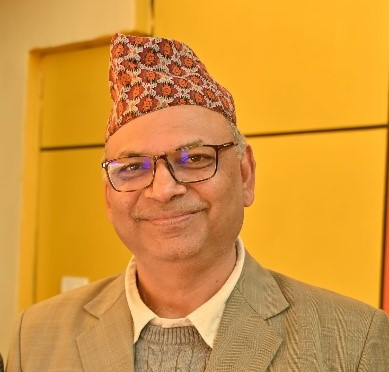
Prof. Dr. Paras K. Pokharel
Dr. Paras K. Pokharel is a distinguished physician, academic leader, and public health advocate with over 25 years of experiences in health professional education, community medicine, and health systems development. He served 2008 to 2024 as a professor and chief of the School of Public Health and Community Medicine at BP Koirala Institute of Health Sciences (BPKIHS), Nepal, one of the country’s leading institutions, known for its extensive outreach across primary health care centres, district hospitals, and zonal hospitals in eastern Nepal.
Dr. Pokharel holds dual MD degrees in general medicine and community medicine. He has played a pivotal role in shaping public health education and practice in South Asia. As the founding architect of the School of Public Health & Community Medicine at BPKIHS, he also established the Department of Occupational Health within the school. He is a strong advocate for universal access to basic occupational health services for workers across all sectors in Nepal.
Beyond academia, his leadership extends into national and regional health policy. As a chair of GARP Nepal, he actively promotes antimicrobial resistance (AMR) stewardship, working closely with both provincial and federal health ministries. At present Dr Pokharel associated with senior advisory role in the Oxford Clinical Research Unit Nepal—a nonprofit organization supported by the Welcome Trust. He is adjunct professor of Indian Institute Public Health, New Delhi and serves on the academic committee of the Indian Institute of Public Health under the Public Health Foundation of India.
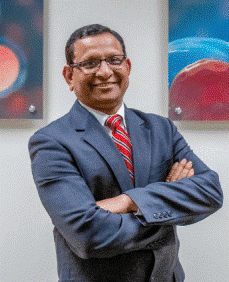
Dr. Binod P. Shah, MD
is being recognized by Continental Who’s Who as Top Doctor for his professional excellence in the field of Spinal Pain Rehab and Medicine. This recognition also acknowledges his commitment to Spinal Pain Rehab and Medicine PC.
With a humble beginning in a remote village of Nepal, Dr. Shah has led an exemplary career full of service and leadership for over 20 years. He proudly serves his patients with Spinal Pain Rehab and Medicine PC in Yonkers, New York, and at two other locations. In his current capacity, he utilizes his extensive medical training and expertise in Pain Medicine, Physical Medicine, and Rehabilitation to provide the best possible care. Dr. Shah demonstrates the highest level of moral obligation and compassion in every endeavor.
Dr. Shah’s distinguished career began after he earned his medical degree at the Post Graduate Institute of Medical Education & Research. He completed a residency at the Dhaka National Medical Institute Hospital and Long Island Jewish Med Center, following with a fellowship at Lemuel Shattuck Hospital and Westchester Medical Center. Since then, he has remained an active member of the American Medical Association.
.

Mr Vijay Savant, FRCOphth, FRCS, MS, DOMS, MBBS,
Mr Vijay Savant, FRCOphth, FRCS, MS, DOMS, MBBS, is a Consultant Ophthalmologist at University Hospitals of Leicester, United Kingdom, where he serves as Clinical Lead for Cornea and External Eye Disease. He is also an Honorary Clinical Lecturer at the University of Leicester and the Medical Director of Stoneygate Eye Hospital in Leicester, UK. His areas of expertise include cataract and refractive surgery, toric and multifocal intraocular lens implants, laser refractive surgery, femtosecond LASIK, LASEK, EPI-LASEK, presbyopia treatment, and clear lens extraction with multifocal intraocular lens implantation. He also specializes in corneal transplantation, including penetrating, lamellar, and endothelial keratoplasty, as well as corneal collagen cross-linking, allergic eye diseases, and infective keratitis, including herpetic and Acanthamoeba infections. In addition to his clinical practice, Mr Savant is actively involved in teaching and training, contributing to the education and development of ophthalmic professionals.
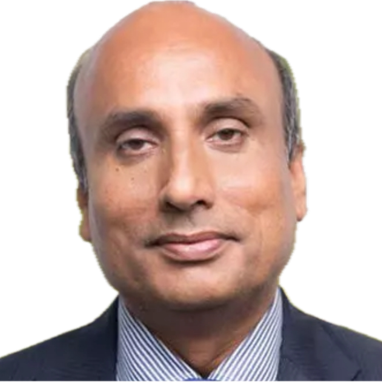
Pranaya Mishra, PhD
Dr. Mishra earned his PhD from the Department of Pharmacology and Pharmacotherapy at the Danish University of Pharmaceutical Sciences in Copenhagen, Denmark and has over 20 years of teaching and research experience in Medical Pharmacology.
Dr. Mishra has held numerous faculty positions at universities across the world, including Assistant Professor in the Department of Pharmacology at Manipal College of Medical Sciences in Pokhara, Nepal. During his faculty position in Nepal, Dr. Mishra has been involved in teaching Pharmacology in problem-oriented, integrated curriculum of Kathmandu University. He also served as Assistant Dean of Student Affairs at Saba University and, prior to accepting his current position at RUSM, he served as Associate Dean for Student Affairs at American University of the Caribbean School of Medicine.
Dr. Mishra was also actively involved with clinical research in different departments at Manipal Teaching Hospital, a 700-bedded tertiary care hospital. He has been credited with over 100 publications in several national and international, peer-reviewed journals. His areas of research interests are dug adherence in tuberculosis treatment, rational drug therapy, medication counseling, prescription auditing (drug utilization and drug policy), pharmacovigilance, drug interactions, medical education, diabetes and quality of life. Dr. Mishra has supervised PhD students, as a co-supervisor of Universiti Sains Malaysia, Penang and Chulalongkon University, Bangkok, Thailand.
Dr Mishra is a pioneer in establishing Drug Information and Pharmacovigilance Center at Manipal Teaching Hospital, in collaboration with United States Pharmacopeia Drug Quality and Information (USPDQI) and United States Agency for International Development (USAID). He has also been actively involved in founding Medication Counseling Center at Manipal Teaching Hospital, Pokhara, and has worked as Editor-in-chief of Drug Information and Pharmacovigilance (Vigil) Bulletin published quarterly from Drug Information Center, Manipal Teaching Hospital, Pokhara, Nepal.
Invited Speakers:

Professor Sara Eastburn
Current role and institution: Professor of Allied Health Education, and Head of Department of Allied Health Professions Sport and Exercise, School of Human and Health Sciences, University of Huddersfield
Country: United Kingdom
Biography
Professor Sara Eastburn is a qualified physiotherapist and experienced academic leader. Prof. Eastburn has more than 28 years of experience in higher education, with expertise in healthcare education, curriculum development, assessment, feedback, and workforce development in local, national and international context. Her research interests include qualitative research methods, phenomenology, communities of practice, and health professional education. She is a Fellow of the Higher Education Academy, a Chartered Manager, and actively contributes to governance roles within both the University and local NHS and education sectors. She is passionate about teaching, learning and assessment, and continues to support the development of future health professionals through her leadership, research, and educational practice.

Professor Philip Brown
Current role and institution: Professor of Housing and Communities, Strategic Lead for Research, Innovation and Knowledge Exchange, and Academic Lead of the Healthy Housing Initiative, School of Human and Health Sciences, University of Huddersfield
Country: United Kingdom
Biography
Professor Philip Brown is an interdisciplinary researcher with a background in psychology. Prof. Brown has an established reputation for research that informs policy development and implementation across housing, migration, homelessness, community wellbeing, and social inclusion. As Academic Lead of the University’s Healthy Housing Initiative, his work focuses on addressing housing and neighbourhood inequalities experienced by marginalised communities and translating evidence into practical policy and service improvements. He has secured funding from major national and international agencies and regularly provides expert advice to governments, parliaments, local authorities, and international organisations. Through his research and advisory roles, he has contributed to shaping policy responses on housing, migration, equality, and community development.

Dr Bibha Simkhada
Current role and institution: Reader in Nursing and Deputy Director of Graduate Education, Department of Nursing, School of Human and Health Sciences, University of Huddersfield
Country: United Kingdom / Nepal
Biography : https://pure.hud.ac.uk/en/persons/bibha-simkhada/
With a background in Nursing and Public Health, Dr Bibha Simkhada has extensive experience working within the UK’s NHS and internationally across Nepal, Ghana, India, and Bangladesh. Her research focuses on health workforce wellbeing, health equity, women’s health, healthy ageing, and capacity building in low- and middle-income countries (LMICs). She has led and contributed to projects that inform health policy, workforce development, professional regulation, and evidence-informed decision-making, including initiatives supporting nursing and midwifery education, international nurses, maternal health, and health system strengthening. An experienced qualitative and mixed-methods researcher and with expertise in evidence synthesis and systematic review, she is committed to improving healthcare systems, professional practice, and population health outcomes globally.

Dr Rajeeb Kumar Sah
Co-Chair of the Scientific Committee for the Sixth Global Health Conference 2026.
Current role and institution: Reader (Associate Professor) in Public Health, and Strategic Lead International, School of Human and Health Sciences, University of Huddersfield
University of Huddersfield, United Kingdom
Biography
Trained as a medical doctor, Dr Rajeeb Kumar Sah is an interdisciplinary public health researcher whose work focuses on global health equity, mental health and wellbeing, maternal and child health, sexual and reproductive health, and health inequalities among marginalised populations. He employs qualitative, participatory, and co-production approaches to understand lived experiences and generate evidence that informs equitable and culturally responsive public health policy and practice. His research spans the UK and low- and middle-income countries, with a particular focus on community engagement, inclusive research, and evidence-informed decision-making. Through international collaborations, he works to address systemic health disparities and improve population health outcomes.
Dr Rajeeb Kumar Sah
Co-Chair of the Scientific Committee for the Sixth Global Health Conference 2026.
Current role and institution: Reader (Associate Professor) in Public Health, and Strategic Lead International, School of Human and Health Sciences, University of Huddersfield
Country: United Kingdom / Nepal
Biography
Trained as a medical doctor, Dr Rajeeb Kumar Sah is an interdisciplinary public health researcher whose work focuses on global health equity, mental health and wellbeing, maternal and child health, sexual and reproductive health, and health inequalities among marginalised populations. He employs qualitative, participatory, and co-production approaches to understand lived experiences and generate evidence that informs equitable and culturally responsive public health policy and practice. His research spans the UK and low- and middle-income countries, with a particular focus on community engagement, inclusive research, and evidence-informed decision-making. Through international collaborations, he works to address systemic health disparities and improve population health outcomes.
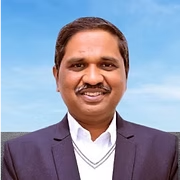
Professor Abhay M. Gaidhane
Current role and institution: Professor of Community Medicine, Jawaharlal Nehru Medical College, and Director of School of Epidemiology and Public Health at Adani Institute of Higher Education and Research, Deemed to be University-AIHER
Country: India
Biography
Professor Abhay Gaidhane is a physician, public health researcher and academic leader with extensive experience in global health, health research and research capacity strengthening. He has been consistently recognised among the Top 2% of Scientists globally in the Stanford–Elsevier list, including in 2026. A strong advocate for global health, Dr Gaidhane has represented India as a Panellist at the Science Summit of the United Nations General Assembly, participating during the 79th and 80th UN General Assemblies in New York, USA (2024 and 2025), where he contributed to discussions on the critical role of Global Health Education in advancing the Sustainable Development Goals (SDGs).
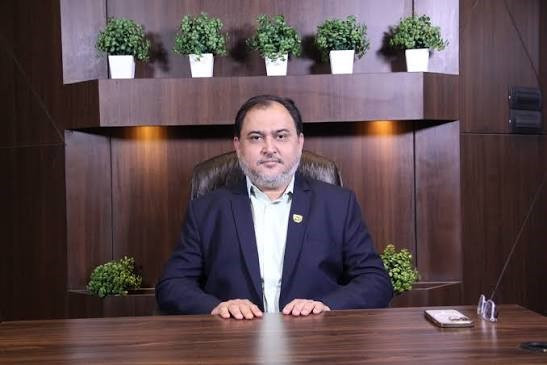
Professor Syed Zahiruddin Quazi
Current role and institution: Executive Director Research & Development, Associate Dean (Global Health) at Adani Institute of Higher Education and Research, Deemed to be University-AIHER
Country: India
Biography
Professor Syed Zahiruddin Quazi is a distinguished public health researcher and innovation leader with expertise spanning health technology, maternal and child health, nutrition, early childhood development, clinical translational research, and complex health interventions. His work increasingly focuses on biomedical engineering, tissue engineering, and regenerative medicine, leading pioneering studies on customised implants, bone scaffolds, and cranial grafts. Through collaborations with leading institutions including IISc Bengaluru, IIT Kharagpur, IIT Kanpur, and VNIT Nagpur, he has secured substantial national and international research funding. With more than 250 peer-reviewed publications and recognition among the Stanford/Elsevier Top 2% Scientists, he has made significant contributions to evidence-informed policymaking, innovation, capacity building, and the translation of research into practice and societal impact.
 EN
 NP

